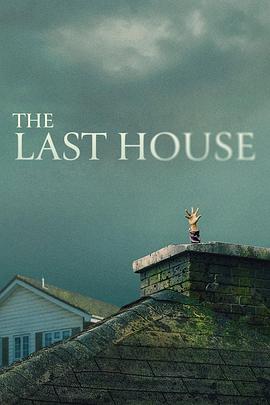
一种高致命性和传染性的病毒在世界上蔓延开来,为了避难,丹尼(卢·泰勒·普奇 Lou Taylor Pucci 饰)和哥哥布莱恩(克里斯·派恩 Chris Pine 饰),女友波比(派珀·佩拉博 Piper Perabo 饰)还有好友凯特(艾米丽·万凯普 Emily VanCamp 饰),驾车以最快的速度穿越美国西南部的沙漠地带。他们希望寻找的是一个相对安全的地方,可是花掉了整整几天的时间,他们却意识到,也许偌大的国家再也没有可供他们容身的地方了。不仅是病毒的肆虐压迫着每个人的神经,他们还不断地被迫去面对道德伦理方面的决定和挑战制造出来的压力--都是一些他们以前无法想象出来的艰难与人性抉择。很快,他们就发现,原来阻挡在他们面前的最大的敌人,并不是不断袭击并打垮人类的致命细菌或病毒,而是隐藏在他们内心深处的黑暗与邪恶......
A satirical comedy that pokes fun at Spanish social and political stereotypes, featuring parodies of real events and special guest appearances from the political sphere.
7th century Arabia. A time of feuding tribes vying for power and supremacy. Courageous Princess Hind (Aiysha Hart) refuses to serve as concubine to the merciless Sassanid Emperor Kisra (Sir Ben Kingsley). Escaping with her father King Numan into the vast and unforgiving desert, Hind is pursued by Kisra’s mercenary and his bloodthirsty troops. Father and daughter are forced to trust a mysterious bandit (Anthony Mackie). Against all odds, Hind unites the fractious tribes against the powerful invading military of the Sassanid Empire. In an epic showdown, the Battle of Ze Qar will forever change the Arabian Peninsula and echo throughout history.
Fleeing from their violent father, siblings Lucía and Adrián take refuge in a remote mansion. With the help of a hidden micro-camera on a cat, Lucía uncovers a terrifying secret: their neighbors are part of a criminal network that kidnaps teenage girls to make snuff films, and they intend to get rid of the siblings. As Lucía fights to protect her brother, she must face a dark family curse that follows them into their newfound sanctuary.
In 2013, an Australian man a few months shy of turning 60 decided to walk the Camino de Santiago – an 800km pilgrimage trail across the top of Spain. He had no known religion, and absolutely no idea why he felt so deeply compelled to do this torturous walk. But compelled, he was. He completed the walk, battling a “triumvirate of pain” - a knee that he later discovered lacked an...
Calvin Trask lives in a dead end Arctic town on the fringes of society, until mysterious stranger Lucas Wade arrives, turning his solitary life upside down. Calvin's curiosity gets the better of him and is quickly pulled into Lucas' dangerous world. As secrets slowly unravel, Calvin realises just what kind of jeopardy he's put himself in, a place where murder and betrayal are a...
In 2013, an Australian man a few months shy of turning 60 decided to walk the Camino de Santiago – an 800km pilgrimage trail across the top of Spain. He had no known religion, and absolutely no idea why he felt so deeply compelled to do this torturous walk.
But compelled, he was.
He completed the walk, battling a “triumvirate of pain” - a knee that he later discovered lacked any meaningful cartilage, a blister the sight of which would make a grown man weep, and shin-soreness that felt like his lower limb had been split with a mountain axe wielded by a demented troll.
Arriving at the end of the Camino, the majestic cathedral in Santiago de Compostela, he expected an epiphany – an answer to the question he’d been asking himself every day: Why am I doing this?
But no answer came.
So when he got home he wrote a book, hoping the answer would reveal itself in his scribblings. The result was The Way, My Way, a humourous and self-deprecating book that many consider the best memoir ever written on walking the Camino.
The book has now been made into a film, and it’s an extraordinary account of a man at a pivotal point in his life, searching for meaning and finding himself undergoing a fundamental transformation so profound that he now divides his life into “Before the Camino” and “After the Camino.”
It’s a story particular to one man, yet of appeal to anyone seeking a greater meaning from life.
When, at the beginning of Deus Irae, Father Javier stares at a crucifix, his expressions and his hands suggest that the nerves are consuming him. A flashback reveals that this priest devotes his life to visiting families that claim to have seen things that do not belong to this world and cleansing their homes from the demons that try to possess them. But, upon returning to those houses, he notices that the evidence is always destroyed. This way, he discovers that a clan is after him, and must decide whether to hide from them or join them. In times when horror cinema tends to fall into the hands of directors that seek to build narratives that are introspective and close to reality, Pedro Cristiani goes back to old-school horror, where gore and the physical experience are above any other kind of feeling. A cinema that places the camera in front of the faces of the bloodiest demons and, instead of giving logic to them, chooses to face them whatever the cost.