1993年,山田洋次導演的《學校》在日本本士引起極大迴響,不僅贏得好評如潮,更在各大頒獎禮中獨領風騷。延續篇《學校II》將舞台移師至北海道一間供智障學童入讀的高中,但仍舊以刻劃帥生關係及反思教育意義為核心主題。山田在片中寄托了他對學校及老師們的期望:教育並非只靈培育老師心目中的好學生,老師的工作也並非只是教學,更重要的是跟學生建立深厚的關係。全片溫情洋溢,值得細味。
The Learning Circle, a film by Yamada Yoji and a follow-up to his 1993 hit A Class To Remember, is a moving story about the daily life of teachers and students at a high school for mentally-handicapped children. In this film, Yamada has depicted vividly and with genuine emotion the dreams and expectations he has for all schools and teacher: "Education is much more than merely minting students who are easy for schools and teachers to handle. A teacher's job is more than just teaching and guiding students, it is also to associate closely with them."
新學年又開始了。在北海道一間專供智障學童入讀的高中,青山龍平老師正在迎接新生。當中一位名叫高志的學生智商不算低,但過去曾受同學欺侮,心靈創傷使他從此一言不發。另一位學生佑矢就更是問題多多。他總是不肯乖乖坐著,一時大呼小叫,一時又像一枝箭似的飛奔出課室;問他甚麼也好,答案就衹有一個:午後紅茶-他最喜愛的飲料。資深老師也拿他沒法,於是把佑矢交給新到任的小林老師看管,害得他沒一刻能放鬆,差點得了神經衰弱。直到一天,一件前所未有的事發生了:佑矢忽然跳了起來,想要搶奪北川老師手中的文稿。這時,一直沒開口說過一句話的高志忽然疾言厲色地罵他。更令人意外的是郤是佑矢的反應──他第一次順著別人的意思去做。自那一天起,學校有了重大的改變,不僅是學生,老師也一樣……
資料來源︰電影雙周刊—Home Entertainment DVD (香港)
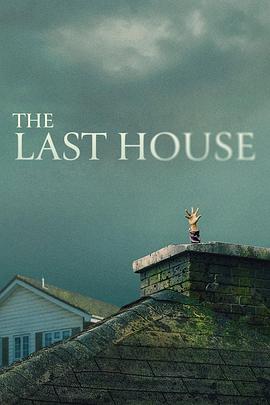
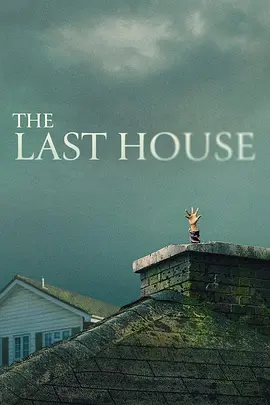
Fleeing from their violent father, siblings Lucía and Adrián take refuge in a remote mansion. With the help of a hidden micro-camera on a cat, Lucía uncovers a terrifying secret: their neighbors are part of a criminal network that kidnaps teenage girls to make snuff films, and they intend to get rid of the siblings. As Lucía fights to protect her brother, she must face a dark family curse that follows them into their newfound sanctuary.
In 2013, an Australian man a few months shy of turning 60 decided to walk the Camino de Santiago – an 800km pilgrimage trail across the top of Spain. He had no known religion, and absolutely no idea why he felt so deeply compelled to do this torturous walk. But compelled, he was. He completed the walk, battling a “triumvirate of pain” - a knee that he later discovered lacked an...
Calvin Trask lives in a dead end Arctic town on the fringes of society, until mysterious stranger Lucas Wade arrives, turning his solitary life upside down. Calvin's curiosity gets the better of him and is quickly pulled into Lucas' dangerous world. As secrets slowly unravel, Calvin realises just what kind of jeopardy he's put himself in, a place where murder and betrayal are a...
In 2013, an Australian man a few months shy of turning 60 decided to walk the Camino de Santiago – an 800km pilgrimage trail across the top of Spain. He had no known religion, and absolutely no idea why he felt so deeply compelled to do this torturous walk.
But compelled, he was.
He completed the walk, battling a “triumvirate of pain” - a knee that he later discovered lacked any meaningful cartilage, a blister the sight of which would make a grown man weep, and shin-soreness that felt like his lower limb had been split with a mountain axe wielded by a demented troll.
Arriving at the end of the Camino, the majestic cathedral in Santiago de Compostela, he expected an epiphany – an answer to the question he’d been asking himself every day: Why am I doing this?
But no answer came.
So when he got home he wrote a book, hoping the answer would reveal itself in his scribblings. The result was The Way, My Way, a humourous and self-deprecating book that many consider the best memoir ever written on walking the Camino.
The book has now been made into a film, and it’s an extraordinary account of a man at a pivotal point in his life, searching for meaning and finding himself undergoing a fundamental transformation so profound that he now divides his life into “Before the Camino” and “After the Camino.”
It’s a story particular to one man, yet of appeal to anyone seeking a greater meaning from life.
When, at the beginning of Deus Irae, Father Javier stares at a crucifix, his expressions and his hands suggest that the nerves are consuming him. A flashback reveals that this priest devotes his life to visiting families that claim to have seen things that do not belong to this world and cleansing their homes from the demons that try to possess them. But, upon returning to those houses, he notices that the evidence is always destroyed. This way, he discovers that a clan is after him, and must decide whether to hide from them or join them. In times when horror cinema tends to fall into the hands of directors that seek to build narratives that are introspective and close to reality, Pedro Cristiani goes back to old-school horror, where gore and the physical experience are above any other kind of feeling. A cinema that places the camera in front of the faces of the bloodiest demons and, instead of giving logic to them, chooses to face them whatever the cost.
Фільм розповідатиме про двох «ворогів дитинства», останніх мешканців невеликого села, які лишилися жити в «сірій зоні» поблизу лінії фронту. «Мало зважаючи на воєнні події, вони намагаються створити своє мирне життя в небезпечній місцині, але все руйнується, коли в селі з’являється російський снайпер»,