勞利布魯斯特(Lawrie Brewster)的新電影《屍偶》(Automata)發布了首支預告,看起來是一部歷史背景的哥德式恐怖電影,幕後團隊曾經製作過《鴉之殘》(The Unkindness of Ravens)與《黑手套》(The Black Gloves)。目前這部電影已經設定將在今年的葛拉斯高影展(Glasgow Film Festival)上進行世界首映。
導演布魯斯特表示:「《屍偶》是一部狂野的哥德式驚悚電影,也是至今我們野心最大的電影。我們非常興奮能夠在蘇格蘭首映這部電影。」
《屍偶》大綱:
一位古董專家前往檢驗300年前的一尊自動人偶真偽,這尊人偶有著惡名昭彰的歷史,人稱「靈界公主」。專家很快發現這尊人偶散發著某種邪惡的能量,逐漸侵蝕與他同行的繼女,導致連他自己都快要變成黑暗力量控制的活人偶。
《屍偶》由艾瑞克瑞德曼(Erich Redman)、潔美史考特高登(Jamie Scott Gordon)以及亞歷珊卓妮可赫美(Alexandra Nicole Hulme)等人主演。
A satirical comedy that pokes fun at Spanish social and political stereotypes, featuring parodies of real events and special guest appearances from the political sphere.
7th century Arabia. A time of feuding tribes vying for power and supremacy. Courageous Princess Hind (Aiysha Hart) refuses to serve as concubine to the merciless Sassanid Emperor Kisra (Sir Ben Kingsley). Escaping with her father King Numan into the vast and unforgiving desert, Hind is pursued by Kisra’s mercenary and his bloodthirsty troops. Father and daughter are forced to trust a mysterious bandit (Anthony Mackie). Against all odds, Hind unites the fractious tribes against the powerful invading military of the Sassanid Empire. In an epic showdown, the Battle of Ze Qar will forever change the Arabian Peninsula and echo throughout history.
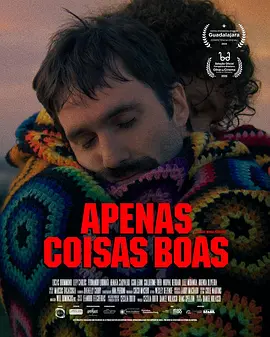
Fleeing from their violent father, siblings Lucía and Adrián take refuge in a remote mansion. With the help of a hidden micro-camera on a cat, Lucía uncovers a terrifying secret: their neighbors are part of a criminal network that kidnaps teenage girls to make snuff films, and they intend to get rid of the siblings. As Lucía fights to protect her brother, she must face a dark family curse that follows them into their newfound sanctuary.
In 2013, an Australian man a few months shy of turning 60 decided to walk the Camino de Santiago – an 800km pilgrimage trail across the top of Spain. He had no known religion, and absolutely no idea why he felt so deeply compelled to do this torturous walk. But compelled, he was. He completed the walk, battling a “triumvirate of pain” - a knee that he later discovered lacked an...
Calvin Trask lives in a dead end Arctic town on the fringes of society, until mysterious stranger Lucas Wade arrives, turning his solitary life upside down. Calvin's curiosity gets the better of him and is quickly pulled into Lucas' dangerous world. As secrets slowly unravel, Calvin realises just what kind of jeopardy he's put himself in, a place where murder and betrayal are a...
In 2013, an Australian man a few months shy of turning 60 decided to walk the Camino de Santiago – an 800km pilgrimage trail across the top of Spain. He had no known religion, and absolutely no idea why he felt so deeply compelled to do this torturous walk.
But compelled, he was.
He completed the walk, battling a “triumvirate of pain” - a knee that he later discovered lacked any meaningful cartilage, a blister the sight of which would make a grown man weep, and shin-soreness that felt like his lower limb had been split with a mountain axe wielded by a demented troll.
Arriving at the end of the Camino, the majestic cathedral in Santiago de Compostela, he expected an epiphany – an answer to the question he’d been asking himself every day: Why am I doing this?
But no answer came.
So when he got home he wrote a book, hoping the answer would reveal itself in his scribblings. The result was The Way, My Way, a humourous and self-deprecating book that many consider the best memoir ever written on walking the Camino.
The book has now been made into a film, and it’s an extraordinary account of a man at a pivotal point in his life, searching for meaning and finding himself undergoing a fundamental transformation so profound that he now divides his life into “Before the Camino” and “After the Camino.”
It’s a story particular to one man, yet of appeal to anyone seeking a greater meaning from life.