谢尔盖·帕拉杰诺夫,1924年生于前苏联格鲁吉亚的第比利斯,父母都是亚美尼亚人。从小就显示出他对色彩的敏感和天神一般的绘画天赋。除了绘画,从小他就对电影和音乐有着浓厚的兴趣。1945年,他21岁,求学莫斯科是他一生的转折点。他进入俄罗斯电影学院(VGIK)导演系学习拍片。这是一个历史悠久的著名电影学校,为欧洲大陆贡献了大批电影大师。之后成为老师杜甫仁科的助手,杜甫仁科是苏联诗电影的祖先,塔尔科夫斯基和帕拉杰诺夫都得益于他的教诲。
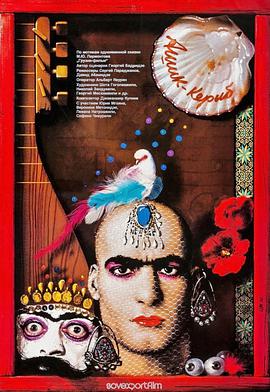
根据俄罗斯作家莱蒙托夫的故事改编。一个游吟诗人在路途上花了一千个白天和黑夜,随时随地尽其所能为人们带来快乐。他的流动的生活方式看似毫无目的,其实不然。他希望在一千个日日夜夜之后,能够挣到足够的钱举办婚礼......如果新娘还在等他的话。
Wandering minstrel Ashik Kerib falls in love with a rich merchant's daughter, but is spurned by her father and forced to roam the world for a thousand and one nights - but not before he's got the daughter to promise not to marry till his return. It's told in typical Paradjanov style, in a series of visually ravishing 'tableaux vivants' overlaid with Turkish and Azerbaijani folksongs.
Fleeing from their violent father, siblings Lucía and Adrián take refuge in a remote mansion. With the help of a hidden micro-camera on a cat, Lucía uncovers a terrifying secret: their neighbors are part of a criminal network that kidnaps teenage girls to make snuff films, and they intend to get rid of the siblings. As Lucía fights to protect her brother, she must face a dark family curse that follows them into their newfound sanctuary.
In 2013, an Australian man a few months shy of turning 60 decided to walk the Camino de Santiago – an 800km pilgrimage trail across the top of Spain. He had no known religion, and absolutely no idea why he felt so deeply compelled to do this torturous walk. But compelled, he was. He completed the walk, battling a “triumvirate of pain” - a knee that he later discovered lacked an...
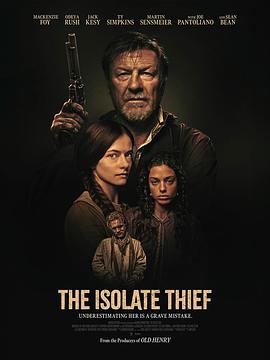
Calvin Trask lives in a dead end Arctic town on the fringes of society, until mysterious stranger Lucas Wade arrives, turning his solitary life upside down. Calvin's curiosity gets the better of him and is quickly pulled into Lucas' dangerous world. As secrets slowly unravel, Calvin realises just what kind of jeopardy he's put himself in, a place where murder and betrayal are a...
In 2013, an Australian man a few months shy of turning 60 decided to walk the Camino de Santiago – an 800km pilgrimage trail across the top of Spain. He had no known religion, and absolutely no idea why he felt so deeply compelled to do this torturous walk.
But compelled, he was.
He completed the walk, battling a “triumvirate of pain” - a knee that he later discovered lacked any meaningful cartilage, a blister the sight of which would make a grown man weep, and shin-soreness that felt like his lower limb had been split with a mountain axe wielded by a demented troll.
Arriving at the end of the Camino, the majestic cathedral in Santiago de Compostela, he expected an epiphany – an answer to the question he’d been asking himself every day: Why am I doing this?
But no answer came.
So when he got home he wrote a book, hoping the answer would reveal itself in his scribblings. The result was The Way, My Way, a humourous and self-deprecating book that many consider the best memoir ever written on walking the Camino.
The book has now been made into a film, and it’s an extraordinary account of a man at a pivotal point in his life, searching for meaning and finding himself undergoing a fundamental transformation so profound that he now divides his life into “Before the Camino” and “After the Camino.”
It’s a story particular to one man, yet of appeal to anyone seeking a greater meaning from life.
When, at the beginning of Deus Irae, Father Javier stares at a crucifix, his expressions and his hands suggest that the nerves are consuming him. A flashback reveals that this priest devotes his life to visiting families that claim to have seen things that do not belong to this world and cleansing their homes from the demons that try to possess them. But, upon returning to those houses, he notices that the evidence is always destroyed. This way, he discovers that a clan is after him, and must decide whether to hide from them or join them. In times when horror cinema tends to fall into the hands of directors that seek to build narratives that are introspective and close to reality, Pedro Cristiani goes back to old-school horror, where gore and the physical experience are above any other kind of feeling. A cinema that places the camera in front of the faces of the bloodiest demons and, instead of giving logic to them, chooses to face them whatever the cost.
Фільм розповідатиме про двох «ворогів дитинства», останніх мешканців невеликого села, які лишилися жити в «сірій зоні» поблизу лінії фронту. «Мало зважаючи на воєнні події, вони намагаються створити своє мирне життя в небезпечній місцині, але все руйнується, коли в селі з’являється російський снайпер»,