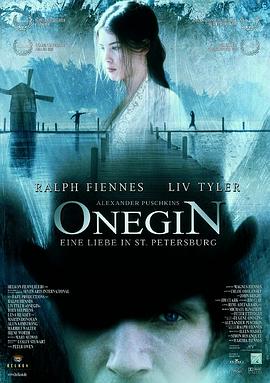
圣彼得堡贵族青年奥涅金(拉尔夫·费因斯 Ralph Fiennes饰)本过着纸醉金迷的奢靡贵族生活。可当时颂扬自由和个性解放的时代氛围,加上亚当·斯密的《国富论》和卢梭的《社会契约论》的启蒙思想,深深触动了奥涅金。他开始厌倦空虚无聊的上流社会生活,渴望在乡村进行农事改革。当他来到乡下庄园时,与连斯基(托比·斯蒂芬斯 Toby Stephens饰)和奥尔伽(琳娜·海蒂 Lena Headey饰)成为好友。但是周围地主的非难和反对,加之奥涅金自身贵族习气的烙印,让他陷入深深的彷徨和苦闷中。然而当纯朴热烈的奥尔伽的姐姐达吉亚娜(丽芙·泰勒 Liv Tyler饰)向他示爱时,他居然断然拒绝。这段十九世纪的爱情错位凄美上演。
由英国女导演玛莎·费因斯执导,根据普希金诗体小说《叶甫盖尼·奥涅金》改编的影片《奥涅金》,荣获2000年第53届英国电影和电视艺术学院奖最佳英国电影提名,导演玛莎·费因斯凭借此片荣获1999年第12届东京国际电影节主竞赛单元-最佳导演奖
Fleeing from their violent father, siblings Lucía and Adrián take refuge in a remote mansion. With the help of a hidden micro-camera on a cat, Lucía uncovers a terrifying secret: their neighbors are part of a criminal network that kidnaps teenage girls to make snuff films, and they intend to get rid of the siblings. As Lucía fights to protect her brother, she must face a dark family curse that follows them into their newfound sanctuary.
In 2013, an Australian man a few months shy of turning 60 decided to walk the Camino de Santiago – an 800km pilgrimage trail across the top of Spain. He had no known religion, and absolutely no idea why he felt so deeply compelled to do this torturous walk. But compelled, he was. He completed the walk, battling a “triumvirate of pain” - a knee that he later discovered lacked an...
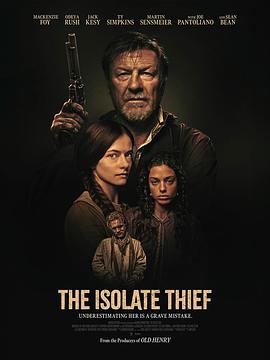
Calvin Trask lives in a dead end Arctic town on the fringes of society, until mysterious stranger Lucas Wade arrives, turning his solitary life upside down. Calvin's curiosity gets the better of him and is quickly pulled into Lucas' dangerous world. As secrets slowly unravel, Calvin realises just what kind of jeopardy he's put himself in, a place where murder and betrayal are a...
In 2013, an Australian man a few months shy of turning 60 decided to walk the Camino de Santiago – an 800km pilgrimage trail across the top of Spain. He had no known religion, and absolutely no idea why he felt so deeply compelled to do this torturous walk.
But compelled, he was.
He completed the walk, battling a “triumvirate of pain” - a knee that he later discovered lacked any meaningful cartilage, a blister the sight of which would make a grown man weep, and shin-soreness that felt like his lower limb had been split with a mountain axe wielded by a demented troll.
Arriving at the end of the Camino, the majestic cathedral in Santiago de Compostela, he expected an epiphany – an answer to the question he’d been asking himself every day: Why am I doing this?
But no answer came.
So when he got home he wrote a book, hoping the answer would reveal itself in his scribblings. The result was The Way, My Way, a humourous and self-deprecating book that many consider the best memoir ever written on walking the Camino.
The book has now been made into a film, and it’s an extraordinary account of a man at a pivotal point in his life, searching for meaning and finding himself undergoing a fundamental transformation so profound that he now divides his life into “Before the Camino” and “After the Camino.”
It’s a story particular to one man, yet of appeal to anyone seeking a greater meaning from life.
When, at the beginning of Deus Irae, Father Javier stares at a crucifix, his expressions and his hands suggest that the nerves are consuming him. A flashback reveals that this priest devotes his life to visiting families that claim to have seen things that do not belong to this world and cleansing their homes from the demons that try to possess them. But, upon returning to those houses, he notices that the evidence is always destroyed. This way, he discovers that a clan is after him, and must decide whether to hide from them or join them. In times when horror cinema tends to fall into the hands of directors that seek to build narratives that are introspective and close to reality, Pedro Cristiani goes back to old-school horror, where gore and the physical experience are above any other kind of feeling. A cinema that places the camera in front of the faces of the bloodiest demons and, instead of giving logic to them, chooses to face them whatever the cost.
Фільм розповідатиме про двох «ворогів дитинства», останніх мешканців невеликого села, які лишилися жити в «сірій зоні» поблизу лінії фронту. «Мало зважаючи на воєнні події, вони намагаються створити своє мирне життя в небезпечній місцині, але все руйнується, коли в селі з’являється російський снайпер»,