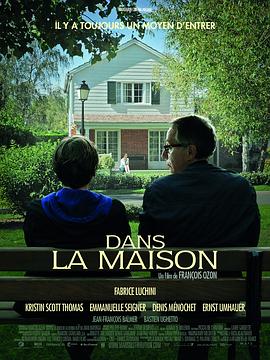
法国高校文学老师吉尔曼(法布莱斯·鲁奇尼 Fabrice Luchini 饰)给学生布置了一篇周记,要求他们如实记录周末的见闻。在众多乏味的作业中吉尔曼意外发现16岁少年克劳德(恩斯特·吴默埃 Ernst Umhauer 饰)的文章异常精彩。克劳德是一个安静的观察者,习 惯坐在教室的最后一排。他的作业是关于偷窥——讲述他如何潜入朋友家中、窥探对方一家生活的故事。吉尔曼被字里行间深深吸引,熄灭已久的文学激情亦被点燃。他不但决定单独辅导才华横溢的克劳德、鼓励他放手创作,还与妻子珍娜(克里斯汀·斯科特·托马斯 Kristin Scott Thomas 饰)一同分享克劳德的作文。然而成年人在阅读过程中竟渐渐忘记了虚构和现实的边界,更懵然不知自己的居室早已房门大开......
法国鬼才导演弗朗索瓦·欧容曾凭借黑暗惊心的《八美图》、《泳池谋杀案》惊艳世界影坛。在《5×2》、《时光驻留》等温情文艺片后,新片《登堂入室》再次回归欧容最擅长的悬疑惊悚题材。电影改编自西班牙舞台剧《最后一排的男孩》,导演巧妙拼接偷窥文学与扑朔迷离的现实断面,用似真似幻、充满层次感的创作故事挑战情欲道德禁区。本片入围法国凯撒奖六项大奖,获多伦多电影节国际影评人费比西奖和西班牙圣塞巴斯蒂安电影节最佳影片金贝壳奖,同时入选欧洲年度最佳电影之一
7th century Arabia. A time of feuding tribes vying for power and supremacy. Courageous Princess Hind (Aiysha Hart) refuses to serve as concubine to the merciless Sassanid Emperor Kisra (Sir Ben Kingsley). Escaping with her father King Numan into the vast and unforgiving desert, Hind is pursued by Kisra’s mercenary and his bloodthirsty troops. Father and daughter are forced to trust a mysterious bandit (Anthony Mackie). Against all odds, Hind unites the fractious tribes against the powerful invading military of the Sassanid Empire. In an epic showdown, the Battle of Ze Qar will forever change the Arabian Peninsula and echo throughout history.
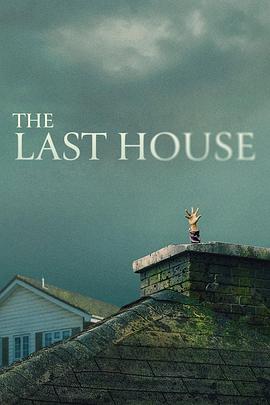
Fleeing from their violent father, siblings Lucía and Adrián take refuge in a remote mansion. With the help of a hidden micro-camera on a cat, Lucía uncovers a terrifying secret: their neighbors are part of a criminal network that kidnaps teenage girls to make snuff films, and they intend to get rid of the siblings. As Lucía fights to protect her brother, she must face a dark family curse that follows them into their newfound sanctuary.
In 2013, an Australian man a few months shy of turning 60 decided to walk the Camino de Santiago – an 800km pilgrimage trail across the top of Spain. He had no known religion, and absolutely no idea why he felt so deeply compelled to do this torturous walk. But compelled, he was. He completed the walk, battling a “triumvirate of pain” - a knee that he later discovered lacked an...
Calvin Trask lives in a dead end Arctic town on the fringes of society, until mysterious stranger Lucas Wade arrives, turning his solitary life upside down. Calvin's curiosity gets the better of him and is quickly pulled into Lucas' dangerous world. As secrets slowly unravel, Calvin realises just what kind of jeopardy he's put himself in, a place where murder and betrayal are a...
In 2013, an Australian man a few months shy of turning 60 decided to walk the Camino de Santiago – an 800km pilgrimage trail across the top of Spain. He had no known religion, and absolutely no idea why he felt so deeply compelled to do this torturous walk.
But compelled, he was.
He completed the walk, battling a “triumvirate of pain” - a knee that he later discovered lacked any meaningful cartilage, a blister the sight of which would make a grown man weep, and shin-soreness that felt like his lower limb had been split with a mountain axe wielded by a demented troll.
Arriving at the end of the Camino, the majestic cathedral in Santiago de Compostela, he expected an epiphany – an answer to the question he’d been asking himself every day: Why am I doing this?
But no answer came.
So when he got home he wrote a book, hoping the answer would reveal itself in his scribblings. The result was The Way, My Way, a humourous and self-deprecating book that many consider the best memoir ever written on walking the Camino.
The book has now been made into a film, and it’s an extraordinary account of a man at a pivotal point in his life, searching for meaning and finding himself undergoing a fundamental transformation so profound that he now divides his life into “Before the Camino” and “After the Camino.”
It’s a story particular to one man, yet of appeal to anyone seeking a greater meaning from life.
When, at the beginning of Deus Irae, Father Javier stares at a crucifix, his expressions and his hands suggest that the nerves are consuming him. A flashback reveals that this priest devotes his life to visiting families that claim to have seen things that do not belong to this world and cleansing their homes from the demons that try to possess them. But, upon returning to those houses, he notices that the evidence is always destroyed. This way, he discovers that a clan is after him, and must decide whether to hide from them or join them. In times when horror cinema tends to fall into the hands of directors that seek to build narratives that are introspective and close to reality, Pedro Cristiani goes back to old-school horror, where gore and the physical experience are above any other kind of feeling. A cinema that places the camera in front of the faces of the bloodiest demons and, instead of giving logic to them, chooses to face them whatever the cost.
Фільм розповідатиме про двох «ворогів дитинства», останніх мешканців невеликого села, які лишилися жити в «сірій зоні» поблизу лінії фронту. «Мало зважаючи на воєнні події, вони намагаються створити своє мирне життя в небезпечній місцині, але все руйнується, коли в селі з’являється російський снайпер»,