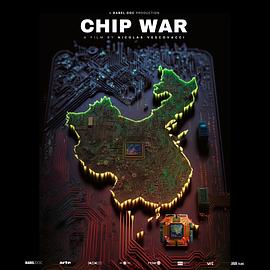
They are in everything from computers to smartphones, from toasters to washing machines: Microprocessors are essential for so many consumer goods to function and now arguably underpin the world economy more than oil.
When the pandemic hit it highlighted how much Western countries rely on the chip industry. Today Europe, America and China are involved in an intense commercial struggle to dominate this sector that is so strategic for the future. From Taiwan to Shanghai, via Brussels and San Francisco, investigative journalist Nicolas Vescovacci went to meet the most influential players in this microchip war, which is redefining world geopolitics.
Narrator: Damien Boisseau
Producer: Michäel Sztanke
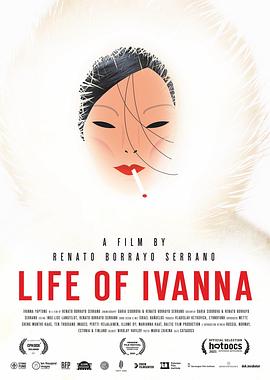
From the harsh, nomadic life on the tundra to an uncertain future with five children. Four years in the life of a strong and charismatic woman.
Life is raw and harsh out in the Arctic tundra, where young Ivanna lives a nomadic life with her five children. A tough and charismatic woman who is put to the test when she has to give up the traditional life of the Nenets people and move to the city. The climate is changing, her reindeers are dying, and her husband, Gena, has turned into an alcoholic because of his job at a gas plant. And even though Ivanna can put both him - and everyone else - in their place with her killer gaze and no-nonsense attitude, she harbours a desire to liberate herself from the violent relationship. Four years in Ivanna’s life have become a formidable film created with an artist’s eye for the material texture of the world where an image of a sleeping child, three fish and a hungry cat almost become a cosmic motif. This is vital, physical film art with an unforgettable woman at its centre. Meanwhile, Ivanna’s letters, which are read aloud by herself, lift her story above the raging of the elements. Director Renato Borrayo Serrano, who was born in Guatemala and lives in Russia, has created a drama about liberation and a melancholy requiem about a bygone way of life.
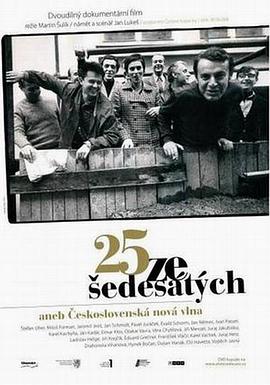
The 2-part feature-length documentary "25 ze šedesátých aneb Československá nová vlna" ("25 from the Sixties, or Czechoslovak New Wave") presents a complex view of the phenomenon of Czech and Slovak New Wave in the cultural and social context of the 60's. 25 fundamental films commented on by their makers and film historians offer the viewer a dramatic insight into the golden era of Czechoslovak cinema.
The documentary is a follow-up on the biographical TV series "Zlatá šedesátá" (Czech Television, 2009), based on the filmmakers' personal remembrances. As opposed to the series, the documentary presents the Czech and Slovak cinema of the 60's in the national, international and also inter-generational context. It describes the ways the New Wave crossed the existing artistic boundaries, how it variegated the world cinema and where it left an ineffaceable impression. It analyses the work of filmmakers in a state-funded cinema, under the pressure of ideological demands on one hand and commerce on the other. It presents the dilemma of a man - an artist - on the edge between contradictory social systems and incongruous aesthetic requirements. The existential drama of a man acting freely and at the same time mercilessly crushed by the wheels of the system.
The 60's are, from this point of view, mostly an era of fortunate historical constellation, not only in - at that time - Czechoslovakia, but on a world-wide scale. An era of expectations and upswing, but also an era of exemplary human decisions and artistic pursuit. Those are some of the things "25 ze šedesátých aneb Československá nová vlna" wants to commemorate.
Part 1 comments on:
■"Slnko v sieti" ("The Sun in a Net," 1962) by Štefan Uher
■"Konkurs" ("Audition," 1963) by Miloš Forman
■"Křik" ("The Cry," 1963) by Jaromil Jireš
■"Postava k podpírání" ("Joseph Kilian," 1963) by Pavel Juráček
Jan Schmidt
■"Každý den odvahu" ("Courage for Every Day," 1964) by Evald Schorm
■"Démanty noci" ("Diamonds of the Night," 1964) by Jan Němec
■"Intimní osvětlení" ("Intimate Lighting," 1966) by Ivan Passer
■"Ať žije republika" ("Long Live the Republic," 1965) by Karel Kachyňa
■"Obchod na korze" ("The Shop on Main Street," 1965) by Ján Kadár
Elmar Klos
■"Romance pro křídlovku" ("Romance for Bugle," 1966) by Otakar Vávra
■"Sedmikrásky" ("Daisies," 1966) by Věra Chytilová
■"Ostře sledované vlaky" ("Closely Watched Trains," 1966) by Jiří Menzel
Part 2 comments on:
■"Kristove roky" ("The Prime of Life," 1967) by Juraj Jakubisko
■"Stud" ("Shame," 1967) by Ladislav Helge
■"Svatba jako řemen" ("A Hard and Fast Marriage," 1967) by Jiří Krejčík
■"Drak sa vracia" ("Dragon's Return," 1967) by Eduard Grečner
■"Marketa Lazarová" ("Marketa Lazarová," 1967) by František Vláčil
■"Spřízněni volbou" ("Elective Affinities," 1968) by Karel Vachek
■"Spalovač mrtvol" ("The Cremator," 1968) by Juraj Herz
■"Zabitá neděle" ("Squandered Sunday," 1969) by Drahomíra Vihanová
■"Pasťák" ("The Decoy," 1968) by Hynek Bočan
■"Případ pro začínajícího kata" ("Case for a Rookie Hangman," 1969) by Pavel Juráček
■"322" ("322," 1969) by Dušan Hanák
■"Slávnosť v botanickej záhrade" ("Celebration in the Botanical Garden," 1969) by Elo Havetta
■"Všichni dobří rodáci" ("All My Good Countrymen," 1968) by Vojtěch Jasný
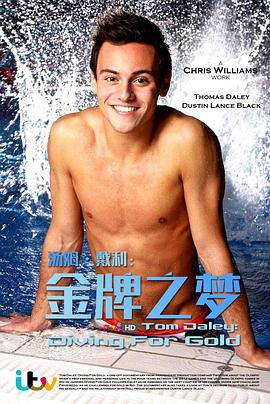
Tom Daley: Diving For Gold, a one-off documentary from independent production company Twofour about the Olympic diver’s professional and personal life in the four years between the 2012 games and the upcoming Olympic games in Rio de Janeiro.
Diving For Gold follows Daley as he embarks on the next chapter of his career under new coach Jane Figueiredo, as he challenges for gold in Rio. The documentary also takes a look at Tom’s decision to go public about his sexuality and his relationship with Hollywood screenwriter Dustin Lance Black.